

Premature Ejaculation
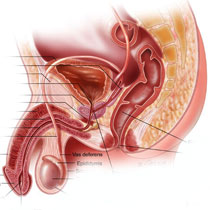
Premature ejaculation occurs when a man ejaculates sooner during sexual intercourse than he or his partner would like. Premature ejaculation is a common sexual complaint. Estimates vary, but as many as 1 out of 3 men say they experience this problem at some time. As long as it happens infrequently, it's not cause for concern.
However, you may meet the diagnostic criteria for premature ejaculation if you:
- Always or nearly always ejaculate within one minute of penetration
- Are unable to delay ejaculation during intercourse all or nearly all of the time
- Feel distressed and frustrated, and tend to avoid sexual intimacy as a result
Both psychological and biological factors can play a role in premature ejaculation. Although many men feel embarrassed to talk about it, premature ejaculation is a common and treatable condition. Medications, counseling and sexual techniques that delay ejaculation or a combination of these can help improve sex for you and your partner.
Symptoms
The primary symptom of premature ejaculation is the inability to delay ejaculation for more than one minute after penetration. However, the problem may occur in all sexual situations, even during masturbation.
Premature ejaculation can be classified as lifelong (primary) or acquired (secondary). Lifelong premature ejaculation occurs all or nearly all of the time beginning with your first sexual encounters. Acquired premature ejaculation has the same symptoms but develops after you've had previous sexual experiences without ejaculatory problems.
Many men feel that they have symptoms of premature ejaculation, but the symptoms do not meet the diagnostic criteria for premature ejaculation. Instead these may have natural variable premature ejaculation, which is characterized by periods of rapid ejaculation as well as periods of normal ejaculation.
Causes
The exact cause of premature ejaculation isn't known. While it was once thought to be only psychological, doctors now know premature ejaculation is more complicated and involves a complex interaction of psychological and biological factors.
Psychological causes
Some doctors believe that early sexual experiences may establish a pattern that can be difficult to change later in life, such as:
- Situations in which you may have hurried to reach climax in order to avoid being discovered
- Guilty feelings that increase your tendency to rush through sexual encounters
Other factors that can play a role in causing premature ejaculation include:
- Erectile dysfunction. Men who are anxious about obtaining or maintaining an erection during sexual intercourse may form a pattern of rushing to ejaculate, which can be difficult to change.
- Anxiety. Many men with premature ejaculation also have problems with anxiety either specifically about sexual performance or related to other issues.
- Relationship problems. If you have had satisfying sexual relationships with other partners in which premature ejaculation happened infrequently or not at all, it's possible that interpersonal issues between you and your current partner are contributing to the problem.
Risk factors
Various factors can increase your risk of premature ejaculation, including:
- Erectile dysfunction. You may be at increased risk of premature ejaculation if you occasionally or consistently have trouble getting or maintaining an erection. Fear of losing your erection may cause you to consciously or unconsciously hurry through sexual encounters.
- Health problems. If you have a serious or chronic medical condition, such as heart disease, you may feel anxious during sex and may unknowingly rush to ejaculate.
- Stress. Emotional or mental strain in any area of your life can play a role in premature ejaculation, often limiting your ability to relax and focus during sexual encounters.
Complications
While premature ejaculation alone doesn't increase your risk of health problems, it can cause significant problems in your personal life, including:
- Stress and relationship problems. A common complication of premature ejaculation is relationship stress.
- Fertility problems. Premature ejaculation can occasionally make fertilization difficult or impossible for couples who are trying to have a baby.
Preparing for your appointment
It's normal to feel embarrassed when talking about sexual problems, but you can trust that your doctor has had similar conversations with many other men. Premature ejaculation is a very common and treatable condition.
Being ready to talk about premature ejaculation will help you get the treatment you need to get your sex life back on track. The information below should help you prepare to make the most of your appointment.
Information to write down in advance
- Pre-appointment restrictions. At the time you make your appointment, ask if there are any restrictions you need tgo follow in the time leading up to your visit.
- Symptoms. How often do you ejaculate before you or your partner would wish? How long after you begin having intercourse do you typically ejaculate?
- Sexual history. Think back on your relationships and sexual encounters since you became sexually active. Have you had problems with premature ejaculation before? With whom, and under what circumstances?
- Medical history. Write down any other medical conditions with which you've been diagnosed, including mental health conditions. Also note the names and strengths of all medications you're currently taking or have recently taken, including prescription and over-the-counter drugs.
Deficiency of neuro-transmitters as serotonin & other have been found to be one of the significant causes of early semen fall.
Tests and diagnosis
In addition to asking about your sex life, your doctor will ask about your health history and may perform a general physical exam. Your doctor may order a urine test to rule out possible infection. If you have both premature ejaculation and trouble getting or maintaining an erection, your doctor may order blood tests to check your male hormone (testosterone) levels or other tests.
In some cases, your doctor may suggest that you go to a urologist or a mental health professional who specializes in sexual dysfunction.
Treatments and drugs
Common treatment options for premature ejaculation include behavioral techniques, topical anesthetics, oral medications and counseling. Keep in mind that it may take a little time to find the treatment or combination of treatments that will work for you.
Behavioral techniques
In some cases, therapy for premature ejaculation may involve taking simple steps, such as masturbating an hour or two before intercourse so that you're able to delay ejaculation during sex. Your doctor also may recommend avoiding intercourse for a period of time and focusing on other types of sexual play so that pressure is removed from your sexual encounters.